Applying the Five Love Languages to the Workplace: A Guide to Better Recognition and Team Morale
- 6 November 2025

What the Framework Means for Modern Teams
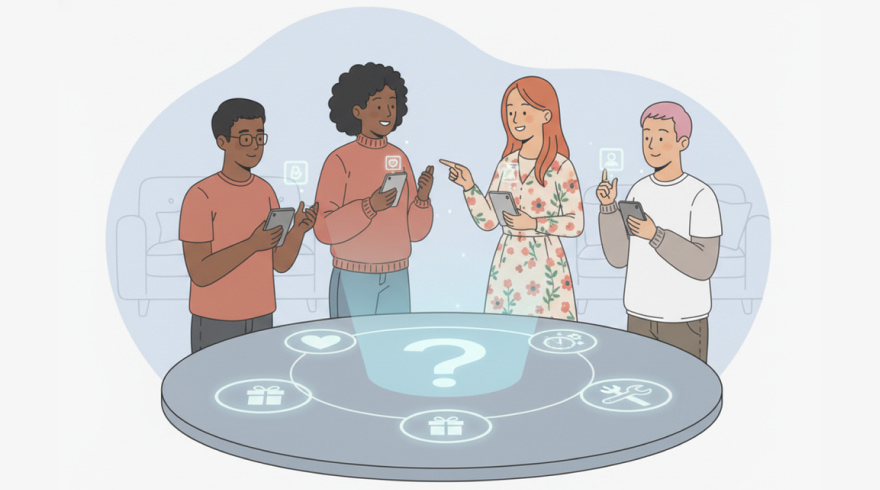
Most organizations agree that recognition fuels engagement, but they often struggle to deliver appreciation in ways that feel personal and sincere. The five-language framework, adapted from relationship psychology, translates well to professional dynamics because it highlights how different people register care through distinct signals. At work, those signals typically show up as quality time in 1:1s, words of affirmation in feedback, acts of service in helpful support, tangible gifts in thoughtful tokens, and appropriate physical presence expressed as respectful proximity or nonverbal warmth. When leaders align their recognition habits to individual preferences, they tend to see fewer misunderstandings, smoother collaboration, and a more durable sense of trust.
Teams don’t need a complex culture program to start experimenting with this approach, because simple assessments and guided conversations build a common language quickly. Many teams use the 5 love languages at workplace quiz as a low-friction way to surface preference data, then compare patterns across roles and functions. As people reflect on past moments when they felt truly valued, they often recognize consistent themes that point to one or two primary styles. That self-awareness reduces guesswork, lowers social friction, and makes reinforcement timely and relevant.
Managers can amplify the effect by inviting colleagues to share “dos and don’ts” for being recognized in ways that actually land. For individual reflection, the work love language quiz clarifies which signals of appreciation actually boost your motivation, helping you communicate needs without awkwardness. As a result, feedback becomes less about generic praise and more about precise behaviors that sustain momentum over long projects.
- Quality time might look like distraction-free check-ins and thoughtful debriefs after milestones.
- Words of affirmation can be specific, timely notes that cite observable contributions.
- Acts of service may involve pitching in during crunch periods or removing blockers.
- Thoughtful tokens can include learning stipends, books, or celebratory snacks tied to wins.
- Respectful nonverbals include eye contact, attentive listening, and inclusive body language.
Why It Matters: Psychology, Equity, and Roi of Recognition
Recognition is not merely a “nice to have”; it is a key driver of belonging, retention, and discretionary effort. Neuroscience suggests that authentic appreciation releases dopamine and oxytocin, reinforcing pro-social behavior and making difficult work feel meaningful. Organizational research also shows that congruence between intent and reception matters: if appreciation is delivered in an unwanted format, the message can feel hollow. That misalignment breeds cynicism, while alignment compounds motivation and reduces the costly churn associated with disengagement.
As a diagnostic, the 5 love languages work quiz provides a shared lexicon that lowers misinterpretation costs and clarifies how to tailor recognition across diverse teams. In cross-functional groups, the 5 love languages at work quiz also highlights mismatches between intent and impact, helping leaders adapt rituals to support both introverts and extroverts. Rather than standardizing a single recognition method, the framework encourages a menu of options that respects cultural nuance, neurodiversity, and personal boundaries.
- Higher morale emerges when appreciation is specific, consistent, and preference-aligned.
- Psychological safety improves as people see their individuality acknowledged in daily interactions.
- Managers gain an efficient blueprint for praise that avoids performative or performancist pitfalls.
- Equity increases as quieter contributors receive visibility through formats that suit them.
- Retention rises when people feel noticed for both outcomes and the process that created them.
Beyond sentiment, the business case becomes evident in smoother handoffs, faster conflict recovery, and lower time spent repairing avoidable misunderstandings. When appreciation lands the way it was intended, teams move with less friction and more shared purpose.
How to Run the Assessment and Interpret the Results
Facilitation is straightforward when you set expectations and protect psychological safety from the start. Explain that the framework is a preferences map rather than a personality label, and remind participants that tastes can change with context and workload. Encourage honest answers by separating performance evaluation from the activity and by allowing people to opt out of sharing anything that feels personal. After scores are tallied, invite brief reflections focused on practical workplace behaviors rather than private life examples.
After introductions, the love languages at work quiz can be administered in under ten minutes using a mobile-friendly form. Provide a short debrief that helps participants connect their top styles to tangible actions, ensuring no one feels boxed in or stereotyped. Encourage people to list two concrete behaviors they want more of and one behavior that doesn’t resonate, so colleagues have a useful guide right away.
For new hires, the love language for work quiz doubles as an onboarding icebreaker and a guide for managers who want to welcome people thoughtfully. Use the outputs to customize rituals such as shout-outs in standups, peer-nominated kudos, or service-oriented help days. Keep the conversation alive by revisiting preferences during role transitions, project kickoffs, and milestone retrospectives.
| Primary Style | What It Looks Like at Work | Quick Experiments to Try |
|---|---|---|
| Quality Time | Focused 1:1s, mentoring moments, and unhurried feedback | Schedule a monthly career chat; hold device-free debriefs after launches |
| Words of Affirmation | Specific praise tied to outcomes, effort, and craft excellence | Send a weekly recognition note; spotlight concrete contributions in standups |
| Acts of Service | Hands-on help, clearing blockers, and sharing expertise during crunch time | Adopt a “remove one friction” habit; rotate a blocker-busting buddy |
| Tangible Tokens | Thoughtful gifts, learning stipends, or celebratory treats aligned with wins | Offer book vouchers; give personalized thank-you cards after sprints |
| Respectful Presence | Attentive listening, positive nonverbals, and mindful proximity | Practice open posture in meetings; use cameras intentionally for connection |
- Keep preferences visible in team docs so colleagues can reference them easily.
- Rotate appreciation responsibilities so recognition doesn’t depend on one person.
- Calibrate quarterly, because project pace and stress can shift what people need.
Turning Insights Into Everyday Habits
Insights become culture only when they inform daily routines, rituals, and micro-behaviors. Start by mapping each teammate’s top two styles to one realistic practice you can implement this week, and then operationalize through calendar prompts, templates, and checklists. Use sprint reviews, retros, and town halls as recurring venues for appreciation that respects varied preferences. When you embed this language into onboarding guides, meeting norms, and manager training, it stops being a side project and becomes part of how work gets done.
During team rituals, the work love languages quiz informs how leaders recognize wins without defaulting to generic praise, which can feel performative or uneven. Across departments, the love languages workplace quiz creates a consistent appreciation playbook that scales from small squads to enterprise groups. As you iterate, invite feedback about what lands well and what feels awkward, then adapt formats so nobody is forced into uncomfortable interactions.
- Build a “recognition menu” that lists multiple ways to celebrate a win.
- Offer opt-in shout-outs to protect introverts while keeping visibility high.
- Encourage peers to recognize each other, not just top-down accolades.
- Anchor praise in observable behaviors to avoid vague, inflated language.
- Train managers to watch for equity gaps in who receives public credit.
Measuring Impact, Avoiding Pitfalls, and Sustaining Momentum
To prove value, combine qualitative stories with quantitative metrics. Track signals such as eNPS movement, recognition frequency, peer-to-peer kudos counts, and time-to-resolution for conflicts. Pair those with storytelling that captures how tailored appreciation unlocked collaboration during a tough deadline or revived a stalled initiative. When you share these wins, you reinforce the habits that created them and make it easier to secure executive sponsorship for continued investment.
Before quarterly reviews, the five love languages at work quiz can be re-run to capture shifts in preferences after role changes or team restructures. Watch for pitfalls such as stereotyping colleagues, over-indexing on one method, or confusing appreciation with performance management. Keep boundaries clear by distinguishing professional warmth from private intimacy and by obtaining consent for any recognition formats that might feel personal. Above all, sustain the practice with lightweight check-ins that keep the focus on what helps people do their best work.
- Use short pulse surveys to monitor whether recognition feels fair and meaningful.
- Refresh your recognition menu quarterly to reflect evolving team needs.
- Document examples of effective appreciation to coach new managers quickly.
FAQ: Practical Answers for Leaders and Teams
How accurate is this framework for workplace use?
It’s a directional tool, not a diagnostic truth. Accuracy improves when people discuss examples and negotiate boundaries rather than treating scores as fixed labels. Think of it as a map that helps you explore preferences with curiosity and respect.
Can preferences change over time?
Yes. Context matters: deadlines, new responsibilities, or personal circumstances can shift what feels supportive. Revisit your preferences during transitions and encourage teammates to update their guidance as roles evolve.
What if my preferred style conflicts with my manager’s habits?
Start by sharing two simple requests framed as experiments, then offer alternatives that still fit your manager’s workflow. Compromise is easier when you propose small, specific actions with clear benefits for both sides.
How should distributed teams apply the framework?
For distributed teams, the workplace love languages quiz remains relevant because it spotlights remote-friendly behaviors like thoughtful notes, flexible help, and protected focus time. Translate in-person rituals into digital equivalents and preserve choice so people can opt in comfortably.
Isn’t this too “soft” for high-performance environments?
High performance thrives on clarity, trust, and energy, all of which are reinforced by effective appreciation. When praise is precise and preference-aligned, it accelerates learning loops, reduces friction, and helps teams deliver ambitious outcomes reliably.
Latest News
-
![The Ultimate Guide to Understanding Love Communication Styles Through Engaging Quizzes]() The Ultimate Guide to Understanding Love Communication Styles Through Engaging Quizzes 5 Love Languages Quiz for Adults & Couples Get Started Why a Relationship Style Assessment Can Strengthen Bonds Every relationship thrives on translating intention into understanding, and that hinges on crisp, compassionate communication. When partners interpret signal...
The Ultimate Guide to Understanding Love Communication Styles Through Engaging Quizzes 5 Love Languages Quiz for Adults & Couples Get Started Why a Relationship Style Assessment Can Strengthen Bonds Every relationship thrives on translating intention into understanding, and that hinges on crisp, compassionate communication. When partners interpret signal... - 13 November, 2025
-
![Mastering Connection Through the Love‑Language Assessment]() Mastering Connection Through the Love‑Language Assessment 5 Love Languages Quiz for Adults & Couples Get Started What This Relationship Assessment Measures and Why It Matters Romantic and family bonds thrive when people feel understood, affirmed, and safe. Whether you are dating or married, the five love languages quiz o...
Mastering Connection Through the Love‑Language Assessment 5 Love Languages Quiz for Adults & Couples Get Started What This Relationship Assessment Measures and Why It Matters Romantic and family bonds thrive when people feel understood, affirmed, and safe. Whether you are dating or married, the five love languages quiz o... - 12 November, 2025
-
![The Ultimate Guide to Printable Love Language Quizzes for Couples, Families, and Teams]() The Ultimate Guide to Printable Love Language Quizzes for Couples, Families, and Teams 5 Love Languages Quiz for Adults & Couples Get Started What a Love Language Quiz Is and Why It Matters Healthy relationships thrive on clarity, empathy, and repeatable rituals that show care in ways a partner can actually feel. A love language quiz is a simple tool tha...
The Ultimate Guide to Printable Love Language Quizzes for Couples, Families, and Teams 5 Love Languages Quiz for Adults & Couples Get Started What a Love Language Quiz Is and Why It Matters Healthy relationships thrive on clarity, empathy, and repeatable rituals that show care in ways a partner can actually feel. A love language quiz is a simple tool tha... - 11 November, 2025